Inner West Rising Damp
Peeling paint at skirting height or a wall that never dries? Get a free moisture check and a written quote from a local damp proofing team.
Old brick and sandstone walls pull water up from the ground. We test where it is coming from, stop it with the right damp-proof course for your wall, and make good the plaster afterwards.
Damp proofing services across the Inner West
Each wall gets the treatment that suits how it was built, from injected courses to drainage and airflow.
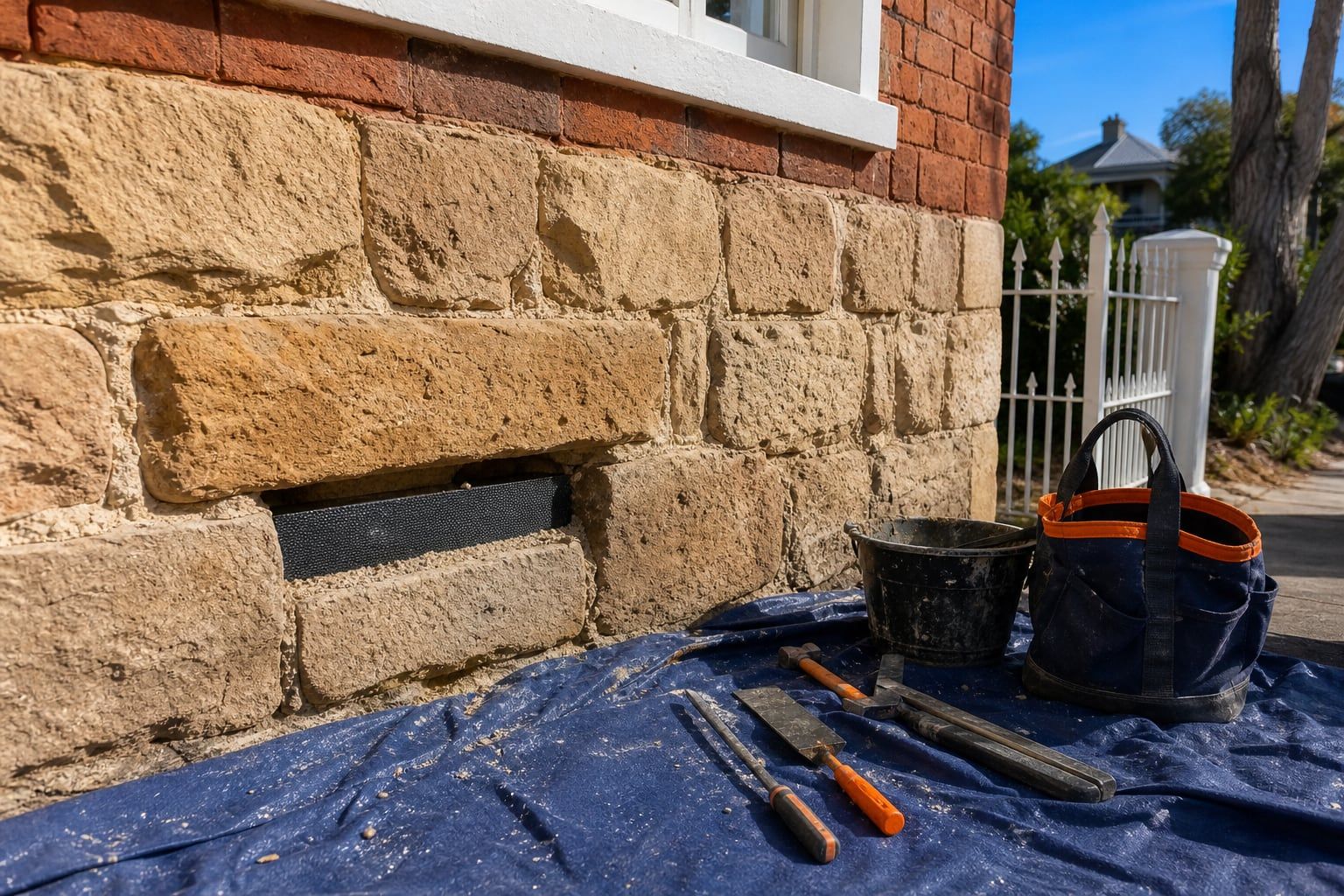
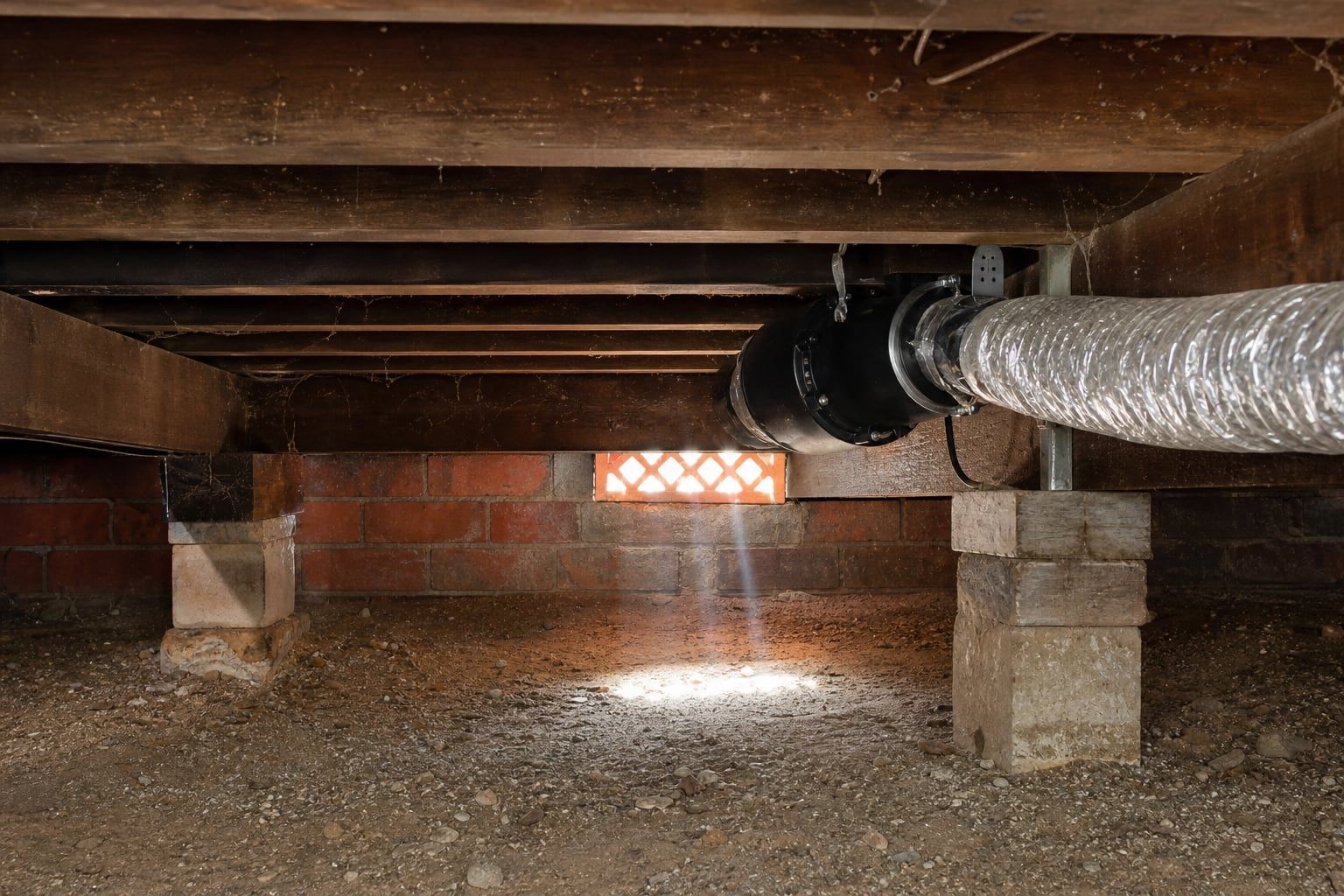
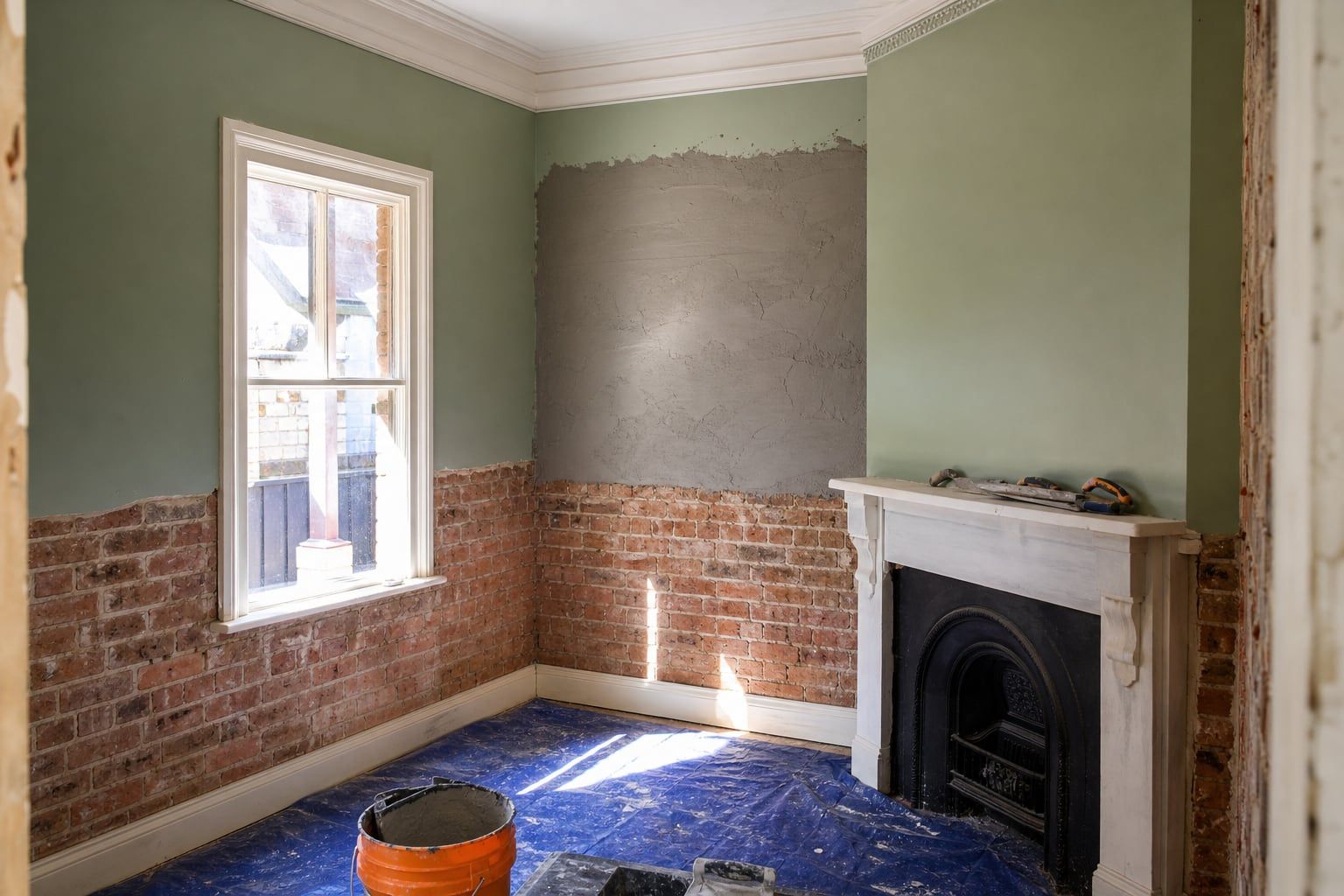
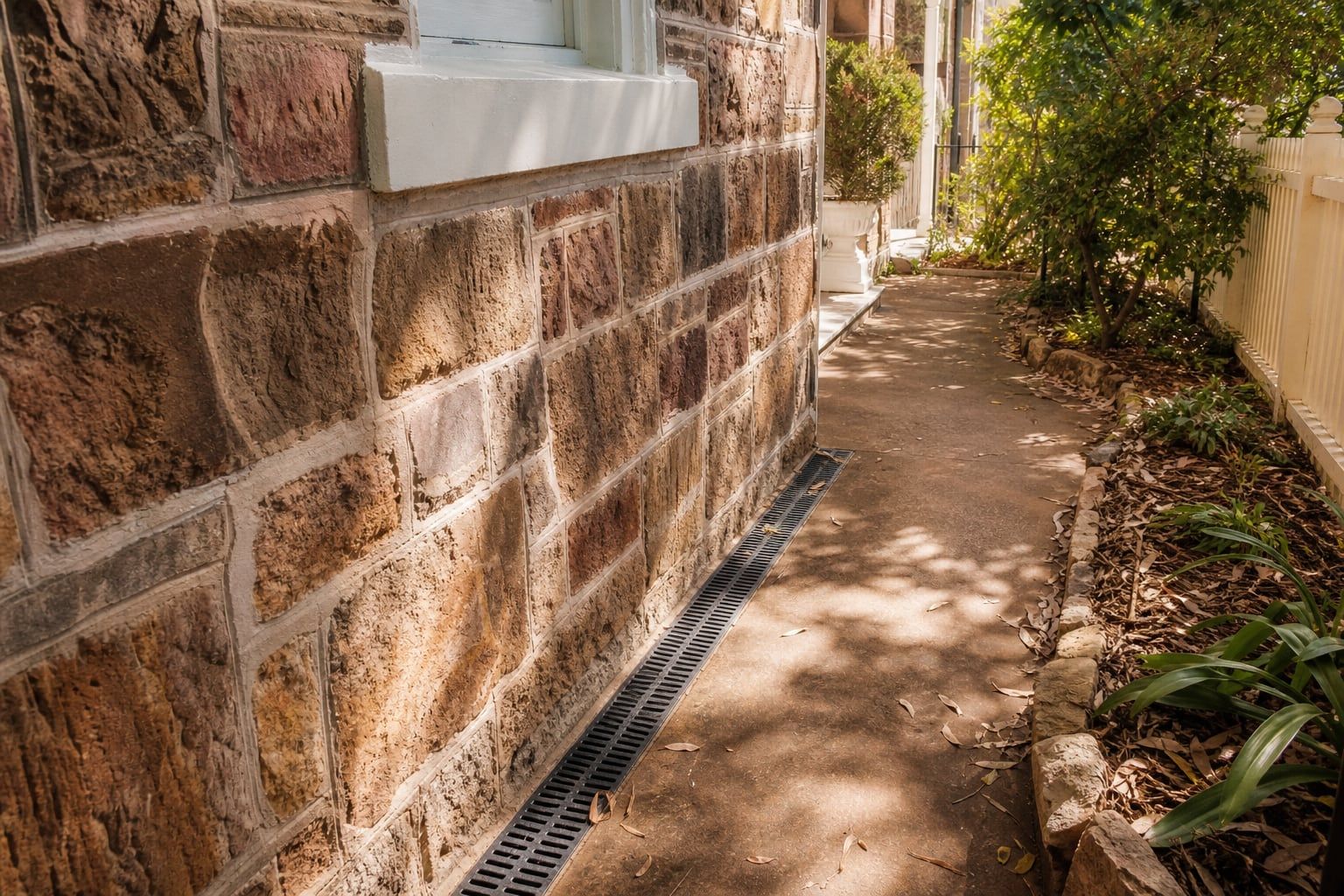
From moisture check to dry wall in the Inner West
- Moisture checkWe read the walls, look outside and under the floor, and tell you what is causing the damp.
- Written quoteYou get the method, the walls involved and a fixed price in writing.
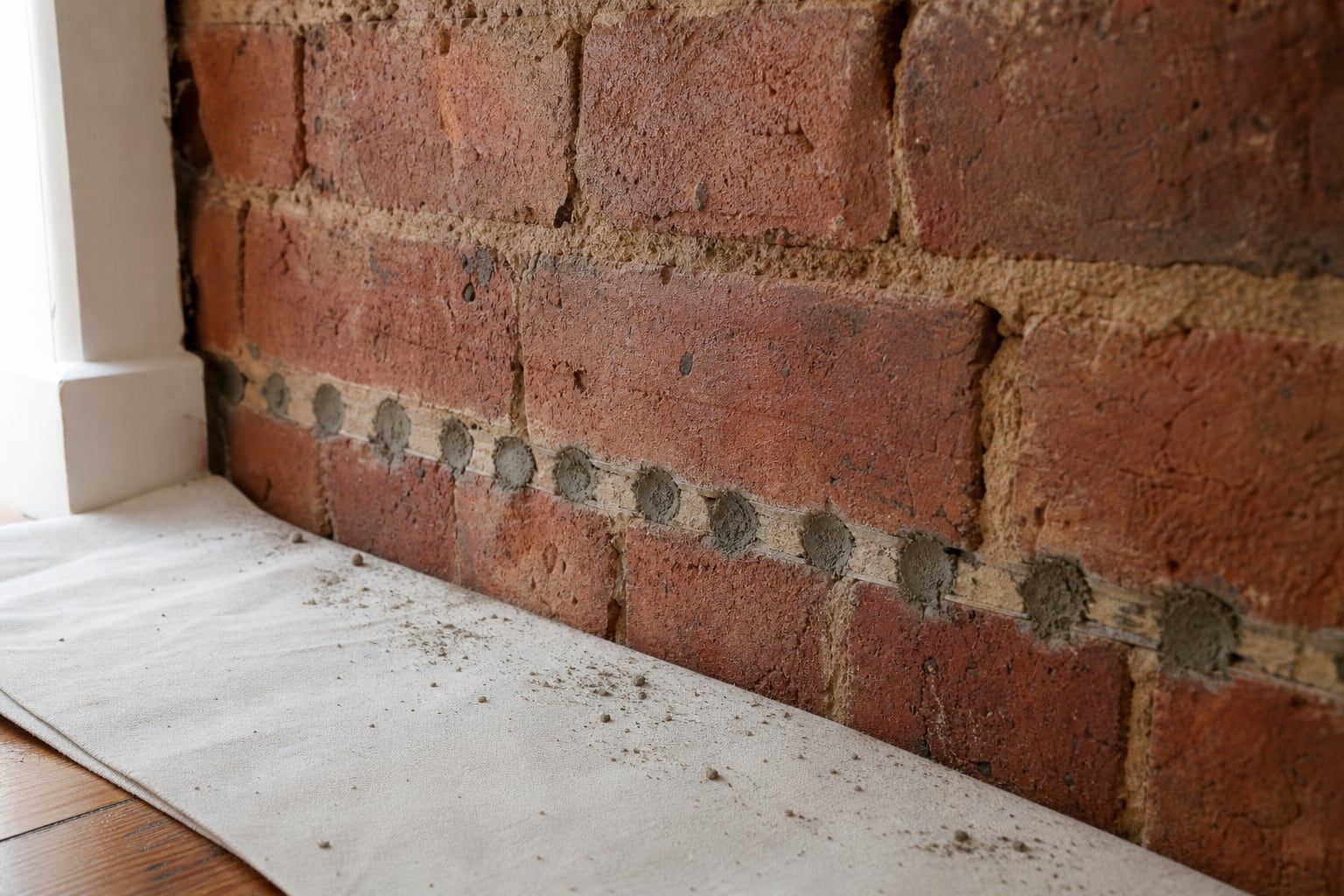
- Damp-proof courseThe new barrier goes in along the affected walls, with drainage or airflow fixed where needed.
- Wall repairsSalty plaster comes off, the wall dries, and a salt-resistant render finishes the job.
- 54Inner West suburbs
- 6Damp services in one visit
- FreeMoisture check
How we approach Inner West damp
Tested before it is treated
Meter readings at several heights, a look at the ground outside and a check under the floor tell us whether the water is rising, leaking or condensing before anything is quoted.
Matched to the wall
Injection suits most brick walls; rubble sandstone and soft bricks often need a physical course or drainage instead. You get the method that suits your wall, with the reason written down.
Repairs priced upfront
Stripping the salty plaster and re-rendering is part of the written quote, so the price you agree to is the price of a finished wall.
Inner West rising damp, tested before it’s treated
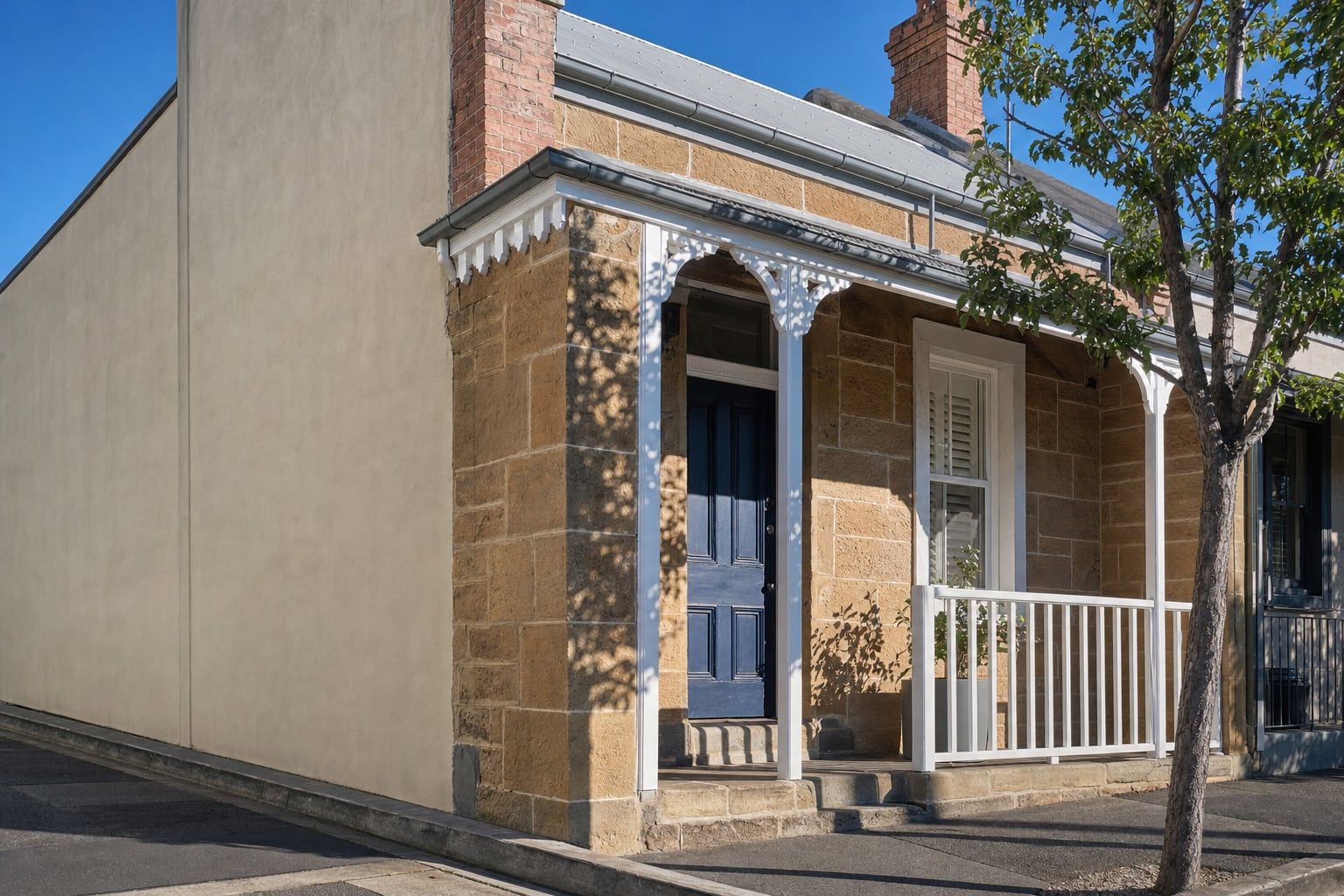
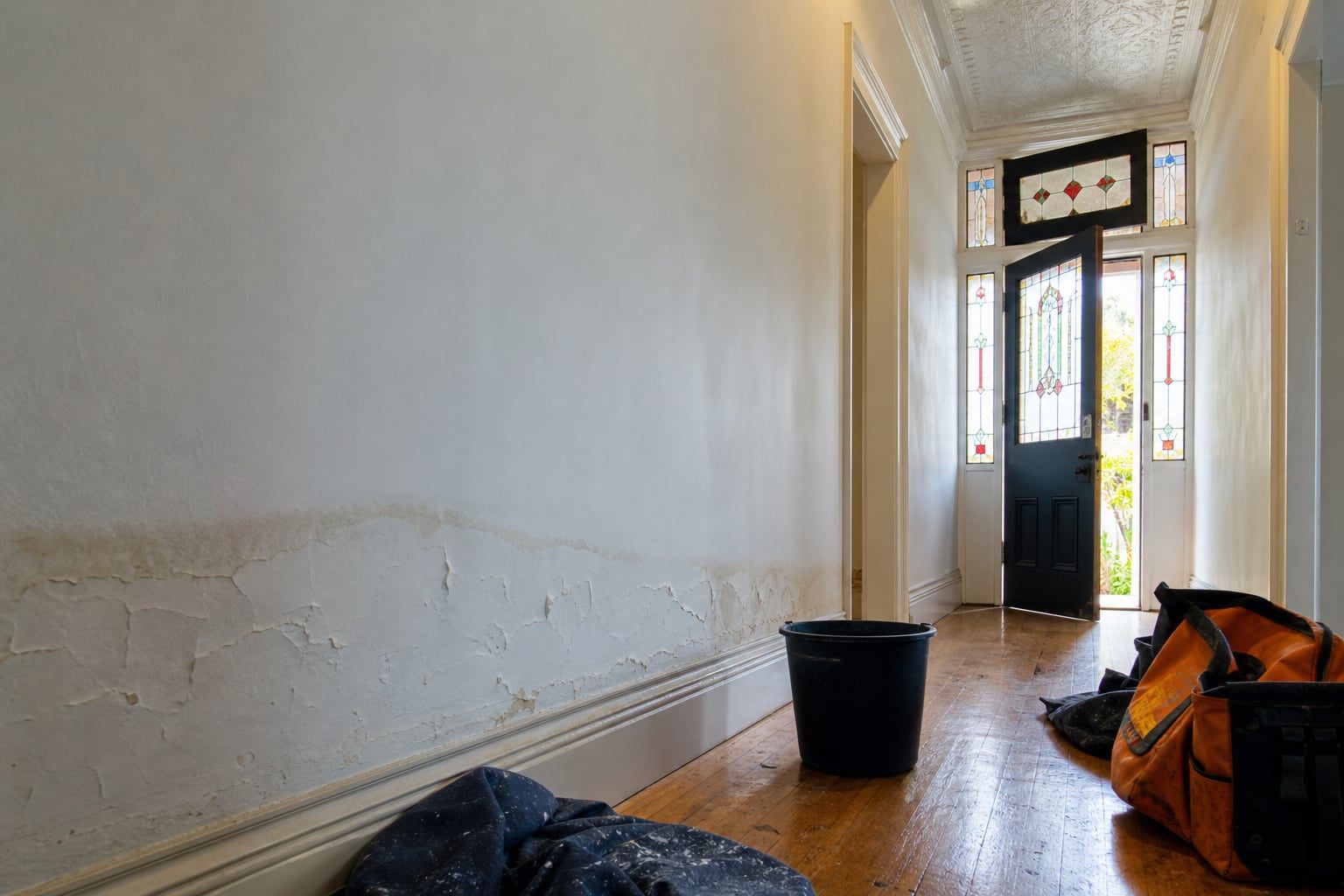
Rising damp is common in the Inner West because so many of its houses were built before damp-proof courses were reliable. Federation cottages in Marrickville and Dulwich Hill, brick semis in Leichhardt and Petersham, and sandstone workers’ cottages on the Balmain peninsula all sit on footings that have been drawing water from the ground for a century or more. When the old barrier fails, water climbs into the brick or stone, and the inside walls show it with flaking paint, crumbling plaster and a stale smell in the front rooms.
We start every job by finding out what is actually wetting the wall. Not every damp wall has rising damp, and the fix for a leaking downpipe or a cold, unventilated room is very different from the fix for water rising out of the ground. So the first visit is a free moisture check: readings at several heights on each damp wall, a salt test on the plaster, a look at the ground and drainage outside, and a check under the floor where there is one. You get a plain answer on the day and a written quote afterwards.
What we do for damp walls in the Inner West
Each wall gets the treatment that suits how it was built.
- Rising damp treatment covers the whole job, from testing to a finished wall.
- A chemical damp course is injected into a mortar joint along the base of brick walls. It suits most brick houses and is done without taking the wall apart.
- A physical damp course puts a membrane into the wall in short sections, for rubble sandstone, soft early bricks and walls injection can’t treat.
- Subfloor ventilation gets air moving under timber floors again, through cleared vents, new air bricks or quiet inline fans.
- Salt-damaged plaster repair strips out the salty plaster and replaces it with a render made for damp-affected walls.
- Waterproof tanking and drainage keep water off walls that have soil or paving pressed against them.
Most houses need two or three of these together, and the quote explains which walls get what.
Why so many Inner West walls are damp
The housing is old, solid and close to the ground. Most walls were built of solid brick or stone with no cavity, so nothing breaks the path of water from the footing to the plaster. Original damp courses of slate, bitumen or tarred felt have cracked, crumbled or been bridged. And over the years the ground around many houses has risen. Courtyards have been concreted up to the back door, side paths relaid higher, and garden beds piled against the brickwork, so rain and ground water sit against the wall above the old barrier.
Inside, many houses have been replastered with gypsum and painted with acrylic. Those finishes trap moisture and salt instead of letting the wall breathe, so the damage shows faster than it did with the original lime plaster.
How the job runs
After the moisture check you get a written quote listing each wall, the method and the price, including the plaster repairs. On the day, furniture is moved and covered, floors are protected, and the damp course goes in. The salty plaster comes off, the wall is left to dry for the time set for its thickness, and a salt-resistant render goes back on, ready for paint. Most single-storey jobs need a day or three of work on site, plus drying time before the final render.
Not sure it’s rising damp?
Start with our guides. Rising damp or condensation explains how to tell water rising from the ground apart from water forming on cold surfaces. Damp walls after rain covers leaks, splashback and drainage problems that look like rising damp. And if your house is stone, rising damp in sandstone walls explains why it needs different treatment.
Or book the free moisture check, and we’ll tell you on site what is causing the damp and what it will take to fix it.
Inner West suburbs we damp proof
Pick your suburb for local detail, or just call. We cover the whole Inner West.
- Marrickville damp specialists
- Leichhardt damp specialists
- Ashfield damp specialists
- Abbotsford damp specialists
- Annandale damp specialists
- Ashbury damp specialists
- Balmain damp specialists
- Balmain East damp specialists
- Belfield damp specialists
- Birchgrove damp specialists
- Breakfast Point damp specialists
- Burwood damp specialists
Show all 54 suburbs
- Burwood Heights damp specialists
- Cabarita damp specialists
- Camperdown damp specialists
- Canada Bay damp specialists
- Chiswick damp specialists
- Concord damp specialists
- Concord West damp specialists
- Croydon damp specialists
- Croydon Park damp specialists
- Drummoyne damp specialists
- Dulwich Hill damp specialists
- Earlwood damp specialists
- Enfield damp specialists
- Enmore damp specialists
- Erskineville damp specialists
- Five Dock damp specialists
- Forest Lodge damp specialists
- Gladesville damp specialists
- Glebe damp specialists
- Haberfield damp specialists
- Homebush damp specialists
- Homebush West damp specialists
- Hurlstone Park damp specialists
- Lewisham damp specialists
- Liberty Grove damp specialists
- Lilyfield damp specialists
- Mortlake damp specialists
- Newtown damp specialists
- North Strathfield damp specialists
- Petersham damp specialists
- Rhodes damp specialists
- Rodd Point damp specialists
- Rozelle damp specialists
- Russell Lea damp specialists
- St Peters damp specialists
- Stanmore damp specialists
- Strathfield damp specialists
- Strathfield South damp specialists
- Summer Hill damp specialists
- Sydenham damp specialists
- Tempe damp specialists
- Wareemba damp specialists
Rising damp guides for Inner West homeowners
- Rising damp or condensation: how to tell which one your house hasThe signs that separate water rising from the ground from water forming on cold surfaces, and why the fix is completely different.
- Damp walls after rain: when wet walls aren't rising dampThe leaks, splashback and drainage problems that make walls wet after rain, how they differ from rising damp, and how each is fixed.
- Rising damp in sandstone walls: why stone cottages need different treatmentWhy sandstone walls in early Inner West cottages take up ground water, the damage it does, and which repairs work on stone.
Questions about rising damp in the Inner West
Something else on your mind? Call 0400 000 004 and ask.
Do you cover my suburb?
We cover the whole Inner West, from the harbour suburbs of Balmain, Birchgrove and Drummoyne through Leichhardt, Marrickville and Dulwich Hill, out to Ashfield, Burwood and Strathfield, and south to the Cooks River.
Is a heritage house harder to damp proof?
It needs more care rather than more work. Methods that keep original brick and stone, lime-compatible mortars and breathable finishes suit older walls and sit comfortably with heritage controls in conservation areas.
How soon can you come out?
Most moisture checks are booked within a few days. Call or send the form with your address and a photo of the wall if you have one.
Is it rising damp or a leak?
Rising damp is wettest at the bottom of the wall and fades out somewhere below about a metre, and it is there in dry weather too. A leak usually shows up after rain, sits in one spot or is wettest higher up. Meter readings at several heights make the difference clear.
Can I treat just one room?
Yes, if the damp is only in one room. We often find it runs further along the same wall than it looks, so we read the walls either side before quoting.
Will the wall be dry straight away?
No. The new course stops more water rising, but the brick above still holds moisture and salt. Walls dry over weeks to months depending on thickness, which is why the plaster repair is timed and specified for it.